What causes water stains on ceilings, and what should you do about them? This guide explains how to keep your home (and belongings) safe from water incursion.
Water stains on ceilings are common problems, but what causes them, and is there anything you can do to fix the issue? This guide explains everything you need to know about water stains on ceilings so you can keep your home, family and belongings safe.
Regular roof maintenance can extend the lifespan of your roof and save money on a premature replacement. As a trusted Memphis roof repair contractor, Roofing Of Memphis will give you peace of mind that your home is protected.
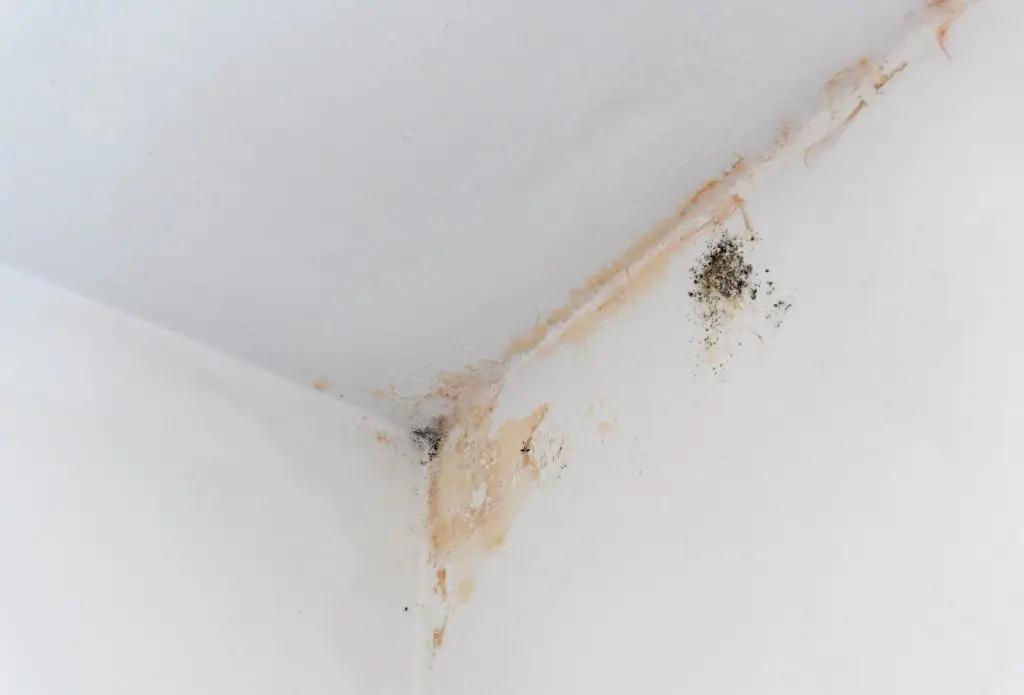
There are a few ways to tell if a ceiling stain is from water. For one, the shape of the stain will be different than other stains; water stains tend to be large and amorphous, while other types of stains (like those from smoke) will be smaller and more distinct. Additionally, water stains will usually be darker in color, and may even appear to be wet or damp.
If you suspect that a stain on your ceiling is from water, it’s important to investigate the cause promptly. Water stains can indicate a serious problem with your home’s roof or plumbing, and the longer the issue remains unaddressed, the greater the risk of additional damage.
Water stains on ceilings can develop for several reasons, but they almost always indicate that moisture is entering your home where it shouldn’t. One of the most common causes is a roof leak, which can allow rainwater to seep through damaged shingles, flashing, or roof decking and eventually appear as stains on your ceiling. Leaking plumbing pipes are another frequent cause, especially when the stain is located near bathrooms, kitchens, or laundry areas. In some homes, excess condensation caused by poor attic ventilation, inadequate insulation, or high indoor humidity can also create water stains over time. Regardless of the cause, ceiling stains should never be ignored, as ongoing moisture can lead to mold growth, wood rot, damaged drywall, and costly structural repairs. A professional inspection can identify the source of the problem and ensure the appropriate repairs are made before the damage worsens.
A water stain on your ceiling can often be traced back to a roof leak, especially if it appears near roof features such as a chimney, skylight, attic vent, or dormer where water is more likely to penetrate. Visible signs of roof damage—including cracked, curled, missing, or broken shingles—can also indicate that moisture is entering your home. If your roof is more than 20 years old, normal wear and aging may increase the risk of leaks, making regular inspections even more important. Another warning sign is a damp attic or the presence of mold and mildew, which often indicates moisture intrusion from the roof or inadequate ventilation. If you notice any of these signs, scheduling a professional roof inspection can help identify the source of the leak and prevent further damage to your home.
A ceiling water stain may be caused by a leaking plumbing pipe rather than a roof leak, especially if it appears directly below a bathroom, kitchen, laundry room, or other plumbing fixture on the floor above. Another common sign is the sound of water dripping behind the walls or ceiling, even when the weather has been dry for several days, which often indicates an active plumbing leak. An unexpected increase in your water bill can also suggest that water is continuously escaping from a hidden pipe within your home’s walls or ceilings. If you suspect a plumbing leak, it’s important to have the issue inspected and repaired promptly to prevent water damage, mold growth, and costly structural repairs.
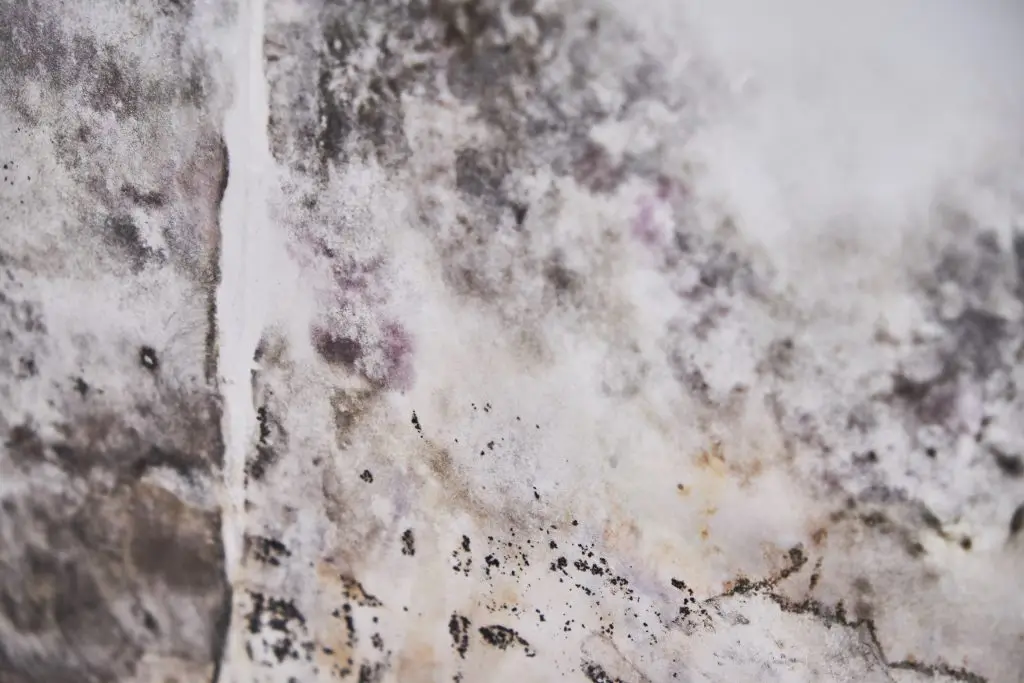
Water stains can also result from condensation rather than a roof or plumbing leak. This is most common in areas with high humidity and poor ventilation, such as bathrooms without exhaust fans, laundry rooms, or poorly insulated attics. If you notice mold or mildew forming around the stained area, it may indicate ongoing moisture caused by trapped humidity instead of a sudden leak. Another sign is when the surrounding ceiling feels damp, cool, or clammy, rather than just the stained spot itself. Improving ventilation, reducing indoor humidity, and addressing insulation issues can help prevent condensation-related water damage and protect your home from mold growth.
If you discover a water stain on your ceiling, your first priority should be to determine the exact source of the moisture penetration. If you can pinpoint a simple, accessible source—like a loose sink drain connection directly above the room—you may be able to tighten it yourself.
However, if you cannot safely identify the source, or if you suspect it involves structural damage to your roofing system, you will need expert help. A professional roof and attic inspection will accurately isolate the root cause, determine if your decking is structurally compromised, and outline exactly what steps are required to fix it permanently.
If you’re trying to cover up an ugly water stain on your ceiling, you may be wondering if you can just paint over it. The answer is maybe—but it depends entirely on the size and severity of the structural damage, as well as whether you have already addressed the root cause of the leak and let the area dry thoroughly.
If the water stain is small, the drywall remains completely structurally sound, and you have permanently repaired the source of the leak, you can safely cover it. You must ensure the ceiling dries out completely, then apply a specialized ceiling paint that contains an oil-based, stain-blocking primer to prevent the water ring from bleeding back through.
However, if the stain is large, soft to the touch, or sagging, or if you never actually located where the water was coming from, painting over it will fail. You will need to cut out and replace the entire section of damaged drywall. Before taking any cosmetic action to cover up a spot on your ceiling, you must locate and fix the underlying leak—otherwise, the moisture will persist, a new stain will form the next time it rains, and toxic mold will continue to grow behind the walls.
If you have an active or dried water stain on your ceiling, don’t wait for the next heavy rainstorm to see if it gets worse. Left unaddressed, hidden moisture can quietly compromise your home’s structural framing, ruin attic insulation, and encourage toxic mold growth behind your drywall.

.
Contact Roofing Of Memphis for more and exciting offers.
7166 Winchester rd suite 106b
Memphis, TN 38125
roofingofmemphis@gmail.com