CALL US TODAY!

901-201-9951

CALL US TODAY!

901-201-9951

Roof Damage From Trees (and What to Do About It)

How do you know if your trees have damaged your roof – and if they have, what can you do to prevent things from getting worse? This guide explains.

Spotting Roof Damage From Trees

If you’re like many homeowners, you only think about your roof when you know there’s something wrong with it – but what if your trees (or your neighbor’s trees) are damaging it? How can you tell, and what can you do to stop the issue before it becomes any worse?

This guide explains how to spot roof damage from trees and what you can do about it.

Free Roof Inspection

Regular roof maintenance can extend the lifespan of your roof and save money on a premature replacement. As a trusted Memphis roof repair contractor, Roofing Of Memphis will give you peace of mind that your home is protected.

Roof Damage From Trees: How to Spot Trouble From a Mile Away

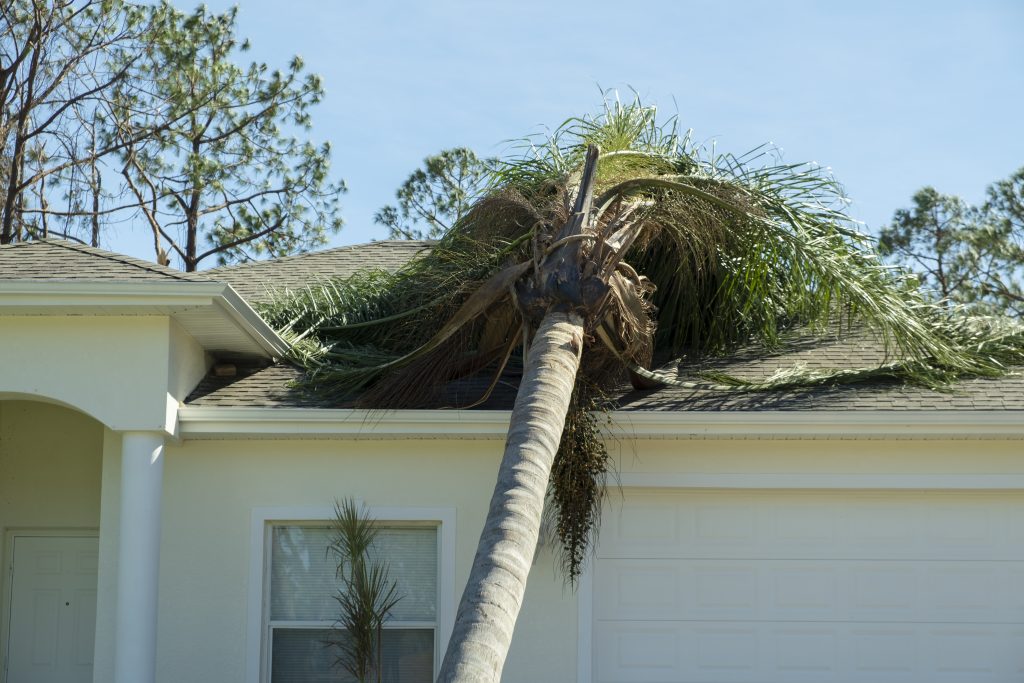
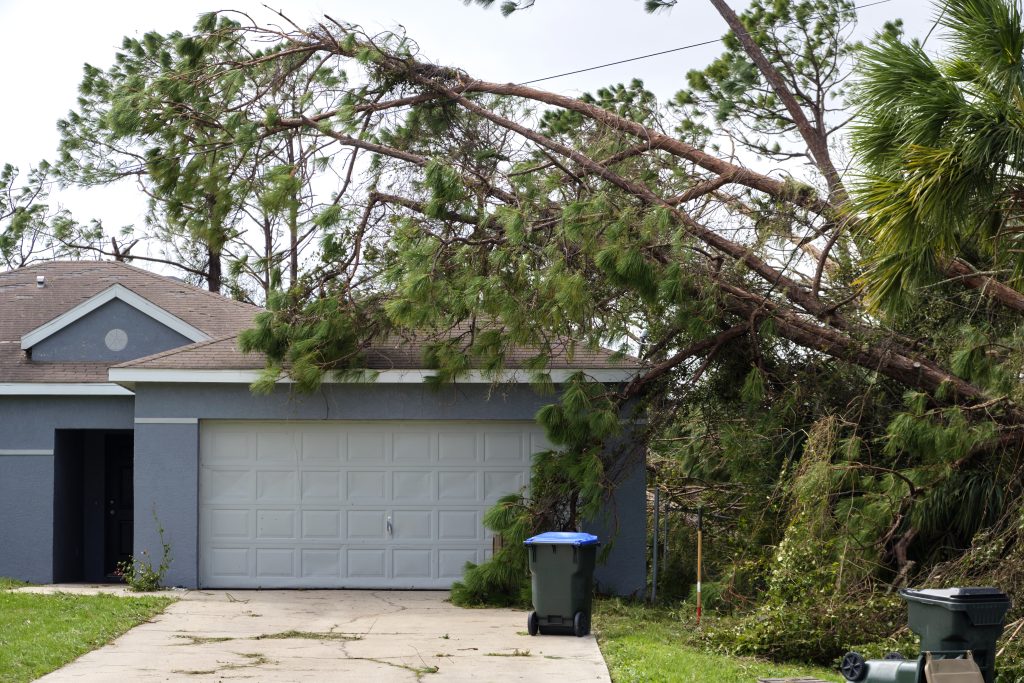
Though roof damage from trees isn’t always immediately obvious, and it sometimes requires a little sleuthing on your part to discover. There are a few tell-tale signs that branches are causing problems with your roof. (And naturally, sometimes roof damage caused by trees is obvious, such as after a storm.)

Some of the most common signs of a roof that’s been damaged by trees include:

Scratched, Cracked or Broken Shingles

The most obvious sign of tree-related roof damage is when you can actually see that the shingles have been damaged. Look for scratches, cracks or breaks, as well as shingles that seem to be curling up or otherwise not lying flat.

This type of damage is usually caused by overhanging branches (or even just leaves and needles) that scrape against the shingles, but it can also be caused by large branches or even whole trees falling on your roof. That may happen during storms and other extreme weather events; it can even happen when ice builds up on tree branches and weighs them down enough that they droop or break off.

Missing Shingles

Another sign that your roof has been damaged by trees is when you start to notice that shingles are missing altogether. This can be caused by high winds (which can also lead to broken or cracked shingles, as described above) but is more likely caused by animals, such as squirrels and raccoons, that spend time in trees and then jump from the branches onto your roof.

Once they’re on your roof, these animals can cause all sorts of damage as they try to get into your attic or crawlspace – and one of the ways they do that is by ripping off shingles.

Mold or Moss Growth

If you notice mold or moss growth on your roof, that’s another sign that something’s not quite right. Mold and moss need moisture to grow, so their presence may indicate excess moisture and should be evaluated to determine the cause. Tree cover and reduced sunlight may contribute to conditions that support moss or mold growth and can sometimes be solved by trimming the tree.

Leaf Litter and Fallen Needles

When leaves, pine needles, and small twigs accumulate on your roof, they do more than just look messy. They trap moisture against the shingles and prevent the roof from drying properly after it rains. Over time, this constant dampness can rot the roofing materials beneath and cause premature failure of your shingles.

Dropping Nuts and Fruits That Can Rot on Your Roof

Trees that drop heavy nuts, hard seed pods, or fleshy fruits can cause immediate impact damage to your shingles when they fall from high branches. Furthermore, when these organic items sit on your roof, they begin to decompose and rot. This decay creates an acidic environment that can deteriorate the protective shingle granules and degrade your roof surface.

Dampness Due to Decreased Sunlight

Large, dense tree canopies cast heavy shadows over your home. While this shade is great for keeping your house cool, it prevents your roof from receiving the sunlight it needs to quickly evaporate morning dew and rainwater. A roof that stays perpetually damp is far more susceptible to structural rot and accelerated material breakdown.

Don't Wait Until Damage Gets Worse.

How Can You Prevent Roof Damage From Trees?

Though you may be reading this article because it’s too late – your roof has already sustained tree damage – you may be able to head off further damage by using the following tips:

Prune Your Trees

One of the best ways to prevent roof damage from trees is to regularly prune them. This will help to keep branches from drooping or breaking and will also reduce the chances of animals being able to access your roof.
Pruning can be a bit of a delicate operation, so it’s best to leave it to the professionals if you aren’t very experienced. A certified arborist will know how to properly prune your trees without damaging them – and they may also identify other roofing conditions that warrant attention that could lead to future damage.

Clean Up Leaf Litter, Dropped Needles, and Fallen Nuts and Fruits

Leaf litter, dropped needles, and fallen nuts and fruits can all clog up your gutters and downspouts, which may contribute to drainage issues and water pooling on the roof, so it’s important to clean them up on a regular basis. You can do this yourself if you’re comfortable walking around your roof or climbing a ladder to access your gutters – just be sure to use a soft-bristled broom or brush to sweep them away.
If you’re not comfortable doing this yourself, you can hire a professional service, such as Roofing Of Memphis, to do it for you. They’ll have the necessary equipment to safely and effectively clean your roof or gutters – and they may identify other roofing conditions that warrant attention while performing the service.

Cut Down Trees That Pose a Threat to Your Roof

If you have any trees that are close to your house – especially if they’re tall – you may want to consider cutting them down. This may seem like a drastic measure, but in some situations, removal of a tree may be one option for reducing the risk of roof damage.
Of course, before you take this step, you should talk to a certified arborist or tree surgeon to see if there’s any way to save the tree. They may be able to help you trim it back or provide some other solution that will allow you to keep the tree and avoid damage to your roof.

Remove Animal Access Points

If animals are accessing your roof, they may contribute to damage over time – so it’s important to remove any access points they may be using. This may mean trimming back branches, installing a screen over your vents, or taking some other action to keep them from being able to get onto your roof.

Schedule Your Free Roof Inspection Today!

If your property has suffered tree-related damage, or if you want to ensure overhanging limbs haven’t compromised your shingles, it’s critical to address the issues early. A member of the Roofing Of Memphis team can inspect your property, safely check your roof line, and walk around your property to look for signs of tree damage, including scratched shingles, blocked gutters, or animal entry points. Request a free inspection today!